

Before you fall completely in love, it is worth taking a step back and asking a less exciting question: What is actually going on with the property?
A property can look perfect during a viewing and still have problems which are not immediately obvious. Structural defects, damp, drainage problems, poorly constructed extensions or issues with a septic tank can all result in significant expense after you have bought the property.
BUYER BEWARE
The legal principle of caveat emptor, meaning “buyer beware”, generally applies when buying a property. In simple terms, a seller is not generally under an obligation to ensure that a property is free from defects.
There are exceptions, including circumstances involving fraud or misrepresentation, but the general position is that it is the buyer’s responsibility to satisfy themselves as to the physical condition of the property.
Once the purchase has completed, discovering a serious defect can be very different from discovering it beforehand. Before signing, you still have options. Afterwards, you may simply have a repair bill.
“BUT THE BANK IS DOING A VALUATION”
A lender’s valuation is not a substitute for your own survey.
The lender’s valuer is primarily concerned with establishing the property’s value and its suitability as security for the proposed loan. The inspection is not intended to provide the buyer with a comprehensive assessment of the condition of the property.
The bank is checking its investment. You should be checking yours.
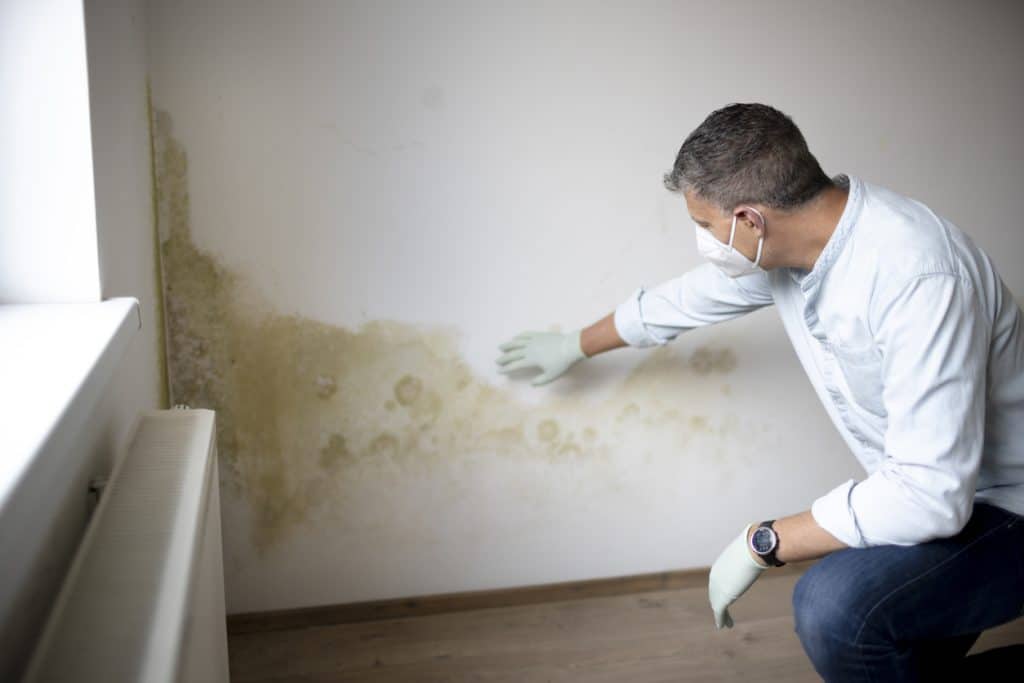
WHAT CAN A SURVEY PICK UP?
The scope of the survey will depend on the property, but a surveyor may identify issues such as:
structural movement or significant cracking;
- damp or water ingress;
- problems with the roof, walls or floors;
- defective extensions or conversions;
- planning irregularities;
- drainage or wastewater problems;
- issues with septic tanks or percolation areas;
- boundary or access concerns;
- signs of flooding;
- potentially problematic materials such as asbestos or pyrite; and
- other defects which may not be apparent during an ordinary viewing.
Older properties, one-off houses and properties which have been extended or converted may warrant particular attention.
BUYING A ONE-OFF HOUSE? LOOK A LITTLE CLOSER
A one-off house, particularly in a rural area, can require a little more scrutiny than a house in a modern housing estate.
Many one-off houses are built in rural areas by the owners through direct labour, who usually employ tradesmen with specialist expertise to handle different elements. Some may also have been built without the aid of any construction specialist, such as an architect or engineer. The quality of the construction and the level of professional involvement can therefore vary considerably.
There is also a second issue: the paperwork.
A house may have been physically well built but still have planning or building-control issues. Equally, a property may have the necessary documents but contain defects which can only be identified through a physical inspection.
Where a one-off house has been self-built or substantially altered, it is therefore particularly important to ask your solicitor and surveyor to establish what planning permissions, certificates and other documents are available.
WHAT ABOUT APARTMENTS?
Buying an apartment is a little different.
You may only be purchasing the internal space, but its condition and value can depend heavily on the wider building and common areas shared with other owners.
Usually, the structure and common parts are managed by the Owners’ Management Company. It is therefore worth asking your surveyor to look beyond the apartment itself and consider the condition of the building generally.
Are there signs of structural damage? Does the roof appear sound? Are external walls likely to require significant repair? Could substantial expenditure be required from the owners in the future?
Your solicitor will investigate matters such as planning permission and relevant compliance documents, but this does not replace a physical inspection.
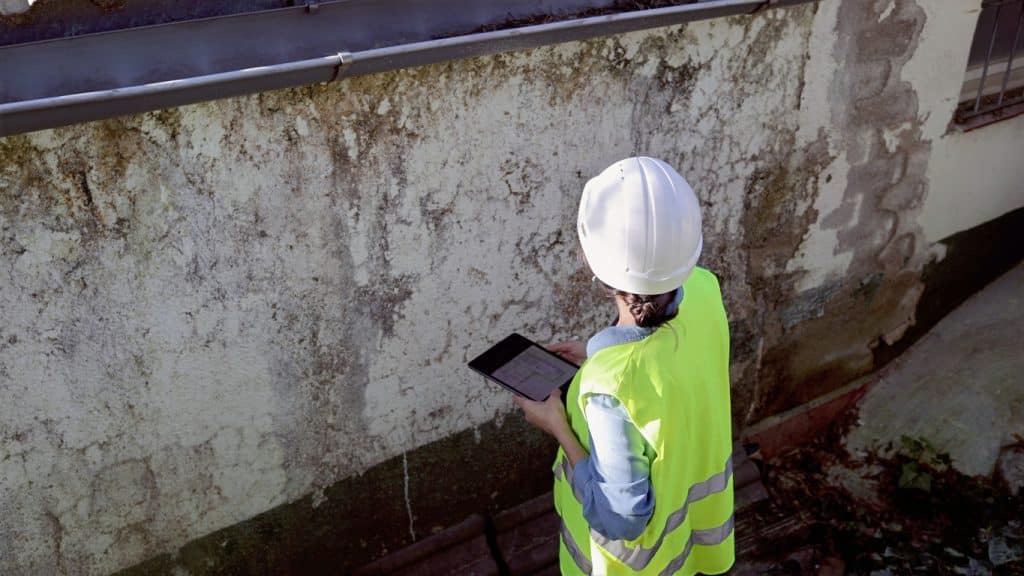
WHO SHOULD CARRY OUT THE SURVEY?
Ideally, you should use an appropriately qualified professional with experience in residential property, such as an architect, structural engineer or building surveyor.
It is worth discussing the scope of the inspection with the surveyor beforehand and obtaining a written report.
Remember that a survey is generally a visual inspection. A surveyor cannot report on defects which are concealed or inaccessible, and specialist inspections may sometimes be required.
DON’T FORGET THE SEPTIC TANK
If the property is not connected to a public sewer, the wastewater arrangements deserve particular attention.
The septic tank or domestic wastewater treatment system and its percolation area should be considered as part of the survey, insofar as the surveyor is able to inspect them. If there are concerns about the existing system, it is useful to establish whether a replacement system could be installed on the site and what this might involve.
Your solicitor should also be made aware of any issues concerning the wastewater system so that the relevant legal documents can be checked.
WHEN SHOULD YOU GET THE SURVEY DONE?
Ideally, arrange your survey as soon as you go sale agreed. It can take time to arrange an inspection and for the surveyor to prepare their report, particularly during busy periods. Getting the survey done early gives you time to consider any issues that arise and, importantly, helps avoid delays in getting your keys.
A SURVEY IS NOT A GUARANTEE
Even a thorough survey cannot guarantee that a property is completely free from defects. Some problems may be hidden or may require specialist testing.
A survey is about reducing the risk of an unpleasant and expensive surprise after you have bought the property.
When you consider the amount being spent on the property itself, the cost of a professional survey is relatively small. It may give you the information you need to proceed with confidence, renegotiate the price, budget for necessary works, or, in some circumstances, reconsider the purchase altogether.
So, by all means, fall in love with the house. Just get it surveyed first.